美國通用原子「野火」無人機概念亮相

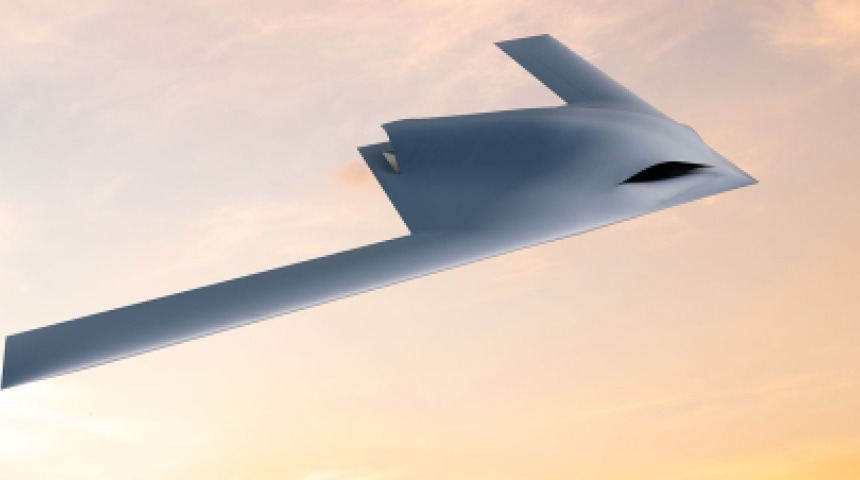
野火無人機概念圖。(圖片取自自通用原子「X」)
美國通用原子航空系統公司(General Atomics Aeronautical Systems, Inc.,GA-ASI)9日在社群平台公開「野火」(Wildfire)中高度長航時(MALE)無人機概念圖與影片,外界預期該機將瞄準美軍「大量模組化機體」(MMA)計畫,並有望成為MQ-9系列無人機的後繼候選機型。
General Atomics Aeronautical Systems, Inc. (GA-ASI) released concept imagery and video of its “Wildfire” medium-altitude, long-endurance (MALE) unmanned aircraft on social media on the 9th. The aircraft is expected to target the U.S. military’s “Massive Modular Airframe” (MMA) program and could emerge as a candidate successor to the MQ-9 series.
推進式螺旋槳設計 「野火」可掛載JSM
Pusher-Propeller Design Gives Wildfire JSM Carrying Capability
美國戰爭部「國防創新小組」(Defense Innovation Unit,DIU)今年7月公布MMA計畫後,GA-ASI於8月宣布啟動符合MMA需求的「野火」MALE無人機計畫,並在9日公開概念影片。從目前釋出的影像可見,「野火」採用推進式螺旋槳(pusher-prop)布局,機身下方設有武器掛載能力,並展示掛載4枚「聯合打擊飛彈」(Joint Strike Missile,JSM)的構型。
Following the Defense Innovation Unit (DIU) announcement of the MMA program in July, GA-ASI announced in August that it was developing the Wildfire MALE unmanned aircraft to meet the program’s requirements. The company released a concept video on the 9th showing the aircraft configured with a pusher-propeller layout and underwing weapon stations carrying four Joint Strike Missiles (JSMs).
從概念圖進一步觀察,「野火」機鼻下方配置感測器,後機身下方則設有大型刀型天線(blade antenna),顯示其設計除強調長程飛行與武器酬載能力,也將感測、通訊及任務系統整合納入新一代機體架構。
The concept imagery also shows a sensor mounted beneath the nose and a large blade antenna beneath the rear fuselage. The design therefore appears intended not only to emphasize long-range flight and weapons carriage, but also to integrate sensing, communications and mission systems into a new-generation airframe architecture.
捨棄MQ-9機背隆起 導入新型衛星通訊與AI技術
Moving Beyond the MQ-9’s SATCOM Hump with New Connectivity and AI Technologies
GA-ASI發言人布林克利(Brinkley)表示,「野火」前機身背部並未延續MQ-9系列用於容納衛星通訊網路(SATCOM)天線的隆起結構。這項外觀差異並非單純的機體修改,而是與GA-ASI計畫將過去在擴散性低地軌道(proliferated Low Earth Orbit,pLEO)衛星通訊、自主技術及人工智慧(AI)領域累積的經驗,導入「野火」新架構有關。
GA-ASI spokesperson Brinkley said the upper forward fuselage of the Wildfire does not retain the prominent hump used on the MQ-9 family to accommodate SATCOM antennas. The difference reflects the company’s plan to incorporate its previous experience in proliferated Low Earth Orbit (pLEO) satellite communications, autonomy and artificial intelligence into the Wildfire’s new architecture.
這也意味著「野火」並非單純以MQ-9既有設計進行延伸,而是希望透過新的機體架構與通訊技術配置,提升無人機在長程任務、自主操作及未來網路化作戰環境下的適應能力。
This suggests that Wildfire is not simply an extension of the existing MQ-9 design. Instead, the company aims to use a new airframe and communications architecture to improve the aircraft’s ability to conduct long-range missions and autonomous operations in increasingly networked combat environments.
轉場航程逾8000浬 可望搭載JSM與LRASM
More Than 8,000 Nautical Miles of Ferry Range with JSM and LRASM Options
根據目前公布的資訊,「野火」轉場航程可望超過8000浬(約1萬4800公里)。若進一步考量其預期武器掛載點、酬載量及最大起飛重量等參數,該機可能具備掛載4枚JSM,或2枚「長程反艦飛彈」(Long Range Anti-Ship Missile,LRASM)的武裝能力,藉此將無人機的防區外打擊距離進一步向外延伸。
Based on the information released so far, Wildfire is expected to have a ferry range exceeding 8,000 nautical miles (approximately 14,800 kilometers). Considering its projected weapon stations, payload capacity and maximum takeoff weight, the aircraft could potentially carry four JSMs or two Long Range Anti-Ship Missiles (LRASMs), extending its standoff strike reach.
此前,GA-ASI曾提出MQ-9B搭載JSM與LRASM等武器的構想,顯示以MALE無人機搭配長程精準彈藥並非全新概念。另一方面,美軍B-2轟炸機與F-35C戰機也曾與AGM-158C LRASM進行搭配測試,反映長程防區外武器在不同作戰平台上的整合趨勢。
GA-ASI had previously proposed configurations for the MQ-9B carrying weapons such as the JSM and LRASM, indicating that pairing MALE unmanned aircraft with long-range precision weapons is not an entirely new concept. The U.S. B-2 bomber and F-35C fighter have also undergone testing with the AGM-158C LRASM, highlighting the broader trend toward integrating long-range standoff weapons across different combat platforms.
MQ-9成本高昂 美軍推動MMA尋求低成本替代機
Rising MQ-9 Costs Drive U.S. Search for a Lower-Cost MMA Alternative
MQ-9自首飛至今已達25年,其衍生型號陸續獲多國空軍、美軍不同軍種,以及美國中央情報局(CIA)、海關與邊境保護局(CBP)等單位採用,整體性能與作戰價值已獲廣泛肯定。不過,隨著近年美軍MQ-9情監偵與打擊任務需求增加,加上實際使用造成的機體損耗,其單架成本超過3000萬美元,進一步提高美軍尋求替代機型的需求。
The MQ-9 has been in service for 25 years since its maiden flight, with various derivatives adopted by air forces in multiple countries, different U.S. military services, as well as organizations including the CIA and U.S. Customs and Border Protection. Despite its proven performance and operational value, growing U.S. demand for MQ-9 intelligence, surveillance and reconnaissance and strike missions, combined with increasing airframe wear, has strengthened the need for an alternative, with the aircraft’s per-unit cost exceeding $30 million.
因此,美軍透過MMA計畫尋求性能接近MQ-9、但成本更低的新型無人機。按照目前規劃,在不計入感測器等任務系統的情況下,替代機型單價目標約為1000萬美元,並將針對航速、航程、酬載量、作戰半徑、自主性能,以及起降所需跑道長度等項目制定相關標準。
Through the MMA program, the U.S. military is therefore seeking a new unmanned aircraft with capabilities comparable to the MQ-9 but at significantly lower cost. Under the current concept, the target unit price is approximately $10 million, excluding mission systems such as sensors. The program is also expected to establish requirements covering speed, range, payload, combat radius, autonomous capabilities and runway requirements for takeoff and landing.
MMA計畫加速 「野火」瞄準MQ-9部分任務缺口
MMA Program Could Accelerate as Wildfire Targets Selected MQ-9 Missions
MMA計畫未來將用於支援部分MQ-9現有任務,同時美軍也正考慮將原先預計於2031財年達成「初始作戰能力」(IOC)的時程提前。若相關規劃加速,將進一步推動新一代MALE無人機的研發與競爭,也為GA-ASI以「野火」爭取MQ-9後繼機市場提供契機。
The MMA program is intended to support selected missions currently performed by the MQ-9, while the U.S. military is also considering moving up the original target of achieving initial operational capability (IOC) in fiscal year 2031. If the timeline is accelerated, development and competition for a new generation of MALE unmanned aircraft could gain momentum, creating an opportunity for GA-ASI to position Wildfire as a successor to the MQ-9.
「野火」目前仍處於概念階段,但從超過8000浬的轉場航程、長程武器掛載構想,以及新一代衛星通訊、自主與AI架構來看,GA-ASI顯然正試圖以不同於MQ-9的設計思維,回應美軍對低成本、大航程及模組化無人作戰平台的需求。
Wildfire remains at the conceptual stage, but its projected range of more than 8,000 nautical miles, long-range weapons options and new approach to SATCOM, autonomy and AI indicate that GA-ASI is seeking to move beyond the MQ-9 design philosophy and address U.S. military demand for a lower-cost, long-range and modular unmanned combat platform.




回應文章建議規則: